Systems Guide
Ledgerbound Optional HR Objectives Explained
What optional HR objectives are in Ledgerbound, why they're worth doing, and how they feed the company voucher economy that powers your gear.
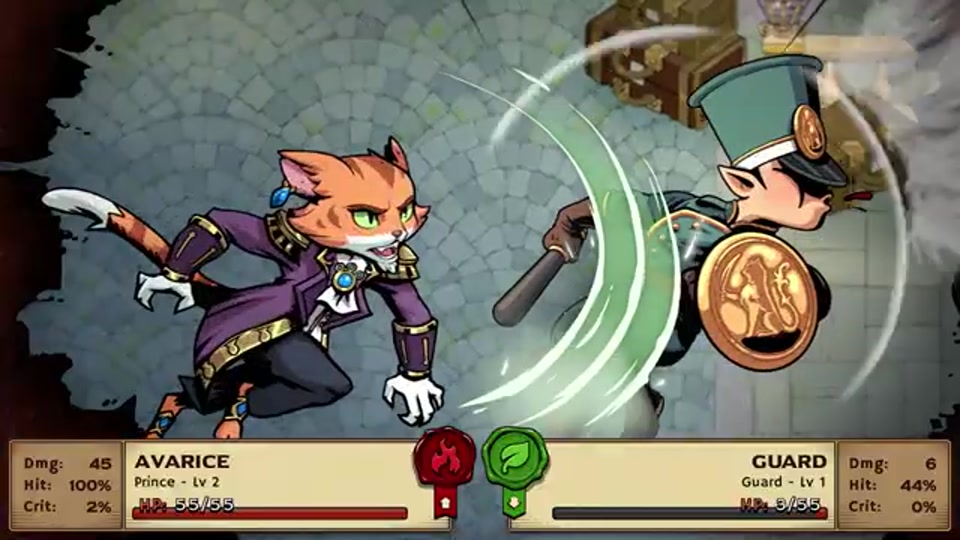
The phrase optional HR objectives fits Ledgerbound’s public corporate-fantasy voice, but it is a dangerous phrase to turn into an uncited checklist. Preview coverage can identify a concept; it cannot guarantee the exact objective wording, reward type, mission availability, or balance of the released build. This guide therefore focuses on a durable skill: how to read an optional goal, decide whether to pursue it, and record what you actually observed without pretending every old tip is a permanent game rule.
Begin with the objective shown in your current mission
If a mission presents an optional goal, read it in full before taking your first irreversible action. Look for four things: the required action, the timing, the failure condition, and the stated reward. A short phrase can hide a meaningful constraint. “Protect,” “finish,” “use,” “occupy,” or “survive” may sound obvious, but the current game text is the only reliable source for what counts in that encounter. If the text is unclear, treat that as a reason to test carefully or seek official clarification—not a reason to import a rule from another tactics game.
The distinction between a primary win condition and an optional condition matters. A mission may be completed even when an extra goal is not achieved, or it may frame the additional task as part of a larger score. The visible game interface tells you which is true in the moment. This site will not assume a universal structure across all stages until current, reproducible evidence establishes one.
Set a goal for the run before optimizing it
There are several valid reasons to play a mission. You may want to see the next story scene, learn a system, complete an optional task, or test a tactic at a higher difficulty. These intentions can conflict. A player who is learning the basics may sensibly prioritize a clear; a player revisiting a familiar encounter may choose to experiment with an optional condition. Neither choice needs a moral ranking from a guide.
Write down the goal in plain language: “I want to finish safely,” “I want to learn why this condition failed,” or “I want to test whether this action affects the counter.” That keeps you from changing priorities halfway through a difficult turn and then blaming the mission for a decision you did not intend to make. Strategy is easier when the desired outcome is explicit.
Use small, reversible experiments
When you do not understand an objective, change one variable at a time. Observe the state before an action, take one action, and see whether the displayed objective or counter changes. If the game provides ordinary saves or a practice-friendly replay route, use those normal tools. Do not rely on force quitting, editing files, or third-party utilities merely to test a reward; such actions can introduce technical issues and make the result impossible to compare with another player’s experience.
Record the context: game version, mission, difficulty, exact objective wording, and what happened. “I completed it once” is not enough to build a public guide. A useful observation says what was tried and under what conditions. It can later be checked after a patch instead of becoming a vague belief that an objective is bugged or mandatory.
Rewards should be read, not assumed
Older descriptions associate optional objectives with company vouchers and gear. That may be useful historical context, but reward economies are version-sensitive. Before choosing a riskier plan, look at the reward displayed by the released game. Ask whether it helps the goal you set for this run. A reward that is valuable for one player may be irrelevant for another who is not pursuing the same equipment or challenge.
Avoid language such as “main source,” “best upgrade,” or “always worth it” unless a current official source provides the necessary scope. A game can have several reward paths, seasonal changes, or situational trade-offs. A guide that tells a new player to jeopardize progress for an assumed payout is not being strategic; it is shifting the risk from the writer to the reader.
The related vouchers and corporate gear page is being maintained under the same rule: it should distinguish confirmed information from a player’s recommended spending plan. When the game describes a specific item or reward, cite that text. When a player describes a preference, label it as advice.
Planning a turn around an optional condition
Once the objective is clear, use a simple planning loop. First identify which part of the task is hardest to recover from: an exposed ally, a limited position, a timer-like restriction, or a resource you cannot restore. Second, reserve enough flexibility to handle the primary mission objective. Third, decide a stop rule: the point at which you will abandon the optional task and secure the clear.
This is not a claim that every Ledgerbound mission uses timers or the same tactical resources. It is a general method for responding to limited information. It prevents the most common self-inflicted failure: committing every action to a bonus objective and discovering too late that the central condition has been neglected. The run can then be evaluated honestly rather than written off as random bad luck.
Difficulty and version context
The final-demo announcement mentioned difficulty settings, and the first launch hotfix lists Uninsured Difficulty balance among its known issues. That alone is a reason not to freeze early objective advice into a universal law. A condition that felt reasonable in one version or setting may be tuned later. Check the newest patch notes before relying on an old “optimal” route, especially if a report does not name its version.
For technical problems that prevent normal testing—such as a repeatable freeze or a load loop—consult the official patch information before attempting a workaround. Our Patch #1 guide records the launch hotfix’s documented instructions and known limitations. A difficult optional goal and a broken save are different problems, and they should be reported with different facts.
How to share a useful objective report
If you want community help, include a screenshot of the visible objective text if it does not spoil a major scene, your game version, difficulty, and the last action before the result changed. Ask a narrow question such as “Does this counter update on the enemy phase?” rather than “What is the best build?” Clear questions invite answers that can be checked.
If the displayed behavior contradicts the text, use the developer’s current support or Steam community route with the same context. Do not present a one-off result as proof of a hidden requirement. Reproduction and version labels are what turn a frustrating moment into feedback a team can act on.
Bottom line
Optional HR objectives are best treated as visible, mission-specific tasks whose current wording and reward come from the game in front of you. Read them first, choose whether they serve your goal, experiment carefully, and protect the primary clear when appropriate. This approach remains useful across updates and avoids the false certainty of old preview-era reward claims.
Frequently Asked Questions
What are HR objectives in Ledgerbound?
Older preview coverage used this terminology for optional mission goals. Confirm the current objective text, reward, and any failure condition in the released game before treating a guide's description as a rule.
Should I always do optional objectives?
Not automatically. Read the current in-game objective and decide whether pursuing it serves your own goal for that mission; do not sacrifice a clear based on an unverified reward claim.