Beginner Guide
How to Approach Ledgerbound's Tactical Puzzles Without a Stale Build Guide
A version-aware method for reading objectives, testing tactics, learning from losses, and using official patch notes when Ledgerbound battles change.
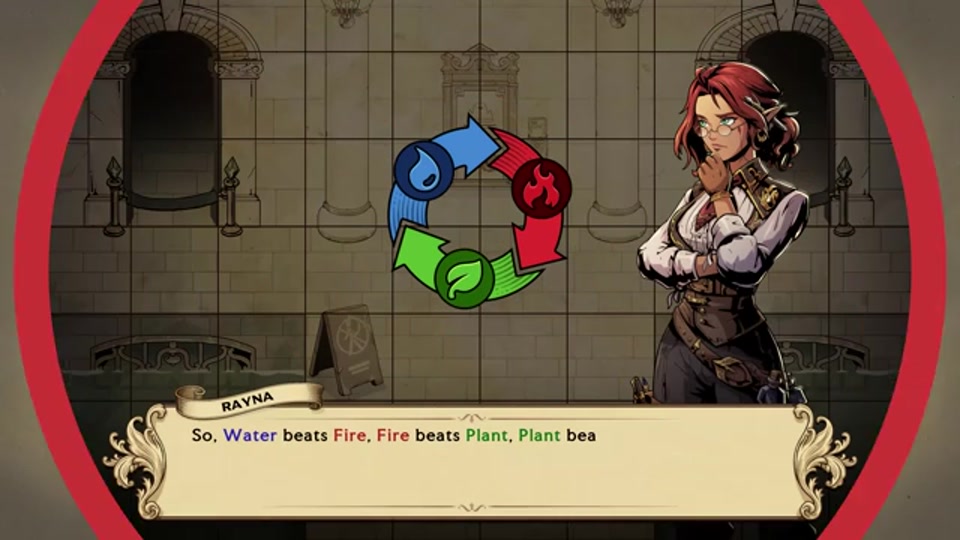
The official Ledgerbound store description says every battle requires clever strategic thinking and invites players to master each tactical puzzle. That is a helpful expectation: encounters are meant to reward attention rather than a single blind routine. It is not a publicly documented map-by-map solution manual. This guide offers a repeatable way to learn from a current encounter without relying on an old demo video, an undocumented tier list, or an alleged universal build.
Read the mission before acting
Start with the visible objective. Identify what actually ends the mission, what condition fails it, and what information the interface gives about the battlefield. Do not assume that defeating every visible enemy is always the entire task, or that an optional condition is mandatory. The current mission text is more useful than a generic strategy slogan because it tells you what success means in that situation.
Then look for constraints. Are there units you need to protect, positions you need to reach, a clear order of operations, or limited resources shown by the game? Write the constraints down if the encounter is complex. This is not about turning play into homework; it is about avoiding a common error in tactics games: solving a different problem from the one the objective actually asks.
Make one hypothesis at a time
After a loss, resist the urge to change every part of your plan. Choose one clear hypothesis: “I exposed this unit too early,” “I focused on the wrong target,” “I ignored the objective state,” or “I used a resource before I understood its effect.” Retry through the game’s normal options and observe the result. A controlled change teaches you more than a complete reshuffle, because you can see what actually helped.
This method is deliberately independent of any assumed element chart or party role. The public materials describe a tactical RPG, but they do not give this site licence to state every current ability interaction without testing it. A player-facing guide should be honest about evidence: an in-game tooltip can support a specific action; an old clip may only support an old observation.
Separate tactical difficulty from technical failure
An encounter can be hard because you have not yet understood it. It can also fail because of a freeze, a broken reload, audio timing, or another technical problem. Do not solve the second category with more tactics. The first official hotfix names several battle fixes and known issues, including a documented battle-save recovery step for a particular reload loop. That is a reason to check patch notes before assuming your strategy is the problem.
If the game freezes after a repeatable condition, note the battle, actions, version, and result. If the issue matches an official known issue, follow the documented instruction. If it does not, report it with the same facts. Our Patch #1 guide distinguishes those cases and does not substitute speculative workarounds for developer guidance.
Use difficulty settings for learning
The final-demo announcement mentioned difficulty settings, and Patch #1 lists the balance of Uninsured Difficulty among known issues. This makes difficulty a version-aware choice rather than a measure of personal worth. If you are learning a system, a setting that lets you observe its feedback may teach you more than repeated failure. If you want a challenge, increase it with a clear intention and expect the experience to take more time.
Do not assume a strategy video from a different setting proves that your current setup is wrong. A guide should name the build, difficulty, and goal it tested. “This worked for a no-retry challenge” is not the same recommendation as “this is best for a story-first newcomer.”
Objectives, positioning, and information
Tactical thinking often begins with information management. Know which unit is at risk, which action changes the immediate state, and which move cannot be undone. Prioritize the mission condition before a cosmetic win condition. If you can choose between a flashy action and one that protects the stated objective, decide based on the goal you read at the start—not on a generic assumption that damage is always best.
This does not reveal an exact Ledgerbound rule. It is a disciplined way to approach any encounter whose current interface presents choices. The game’s own tutorial and tooltips should define the actual systems. A reliable site supports those tools; it does not overwrite them with fabricated certainty.
Avoid build-guide traps
“Best build” pages spread quickly because they promise a shortcut. Ask whether the page shows its sources. Does it identify the version? Does it say which mission or goal it solves? Does it distinguish opinion from a proven interaction? If not, treat it as entertainment or a lead to test—not as a reason to spend resources or restart a campaign.
The same applies to characters. A publicly confirmed voice credit does not establish a combat class, and a marketing image does not establish a mandatory lineup. If you want a spoiler-light introduction to named characters, start with the confirmed cast guide, then let the released game provide the tactical facts it displays.
Keep a short battle record
For a difficult mission, record the objective, version, difficulty, one failed plan, and one observed change. This is enough to reveal patterns without drowning you in notes. It also makes a bug report much clearer if something seems inconsistent. Say what you expected from the visible rule and what happened instead; do not claim a hidden mechanism unless you have evidence.
A record is particularly useful after an update. If a patch changes behavior, you can tell whether you are remembering a previous build or encountering a new issue. Version context turns frustration into information you can act on.
Know when to stop and return
Tactical puzzles reward focus. If you are repeating the same mistake while tired, take a break, reread the objective, or play a different part of the game. This fits the broader quest-life-balance theme rather than fighting it. Our quest-life balance guide explains how social and tactical priorities can coexist without an invented schedule.
Returning with a fresh view can make a previously impossible encounter legible. The goal is not to prove endurance; it is to understand the current puzzle well enough to make an intentional decision.
Bottom line
Treat each Ledgerbound battle as a current, visible problem: read its objective, identify constraints, test one change, and separate a strategy issue from a technical one. Use current tutorials and official patch notes as primary evidence. This is more durable than any stale universal build and preserves the pleasure of learning the tactical system yourself.
Frequently Asked Questions
Are Ledgerbound battles tactical puzzles?
The official Steam description calls for clever strategic thinking and invites players to master each tactical puzzle. Exact encounter rules should come from the current game.
What should I do after losing a battle?
Read the objective and visible conditions, identify one decision to change, then retry normally. Do not assume an old build recommendation is a universal fix.
When should I look at patch notes?
Check the newest official notes when a failure looks technical, after an update, or when a guide’s advice conflicts with the build you are playing.