The Vacari
The Vacari
The Immortal Threat
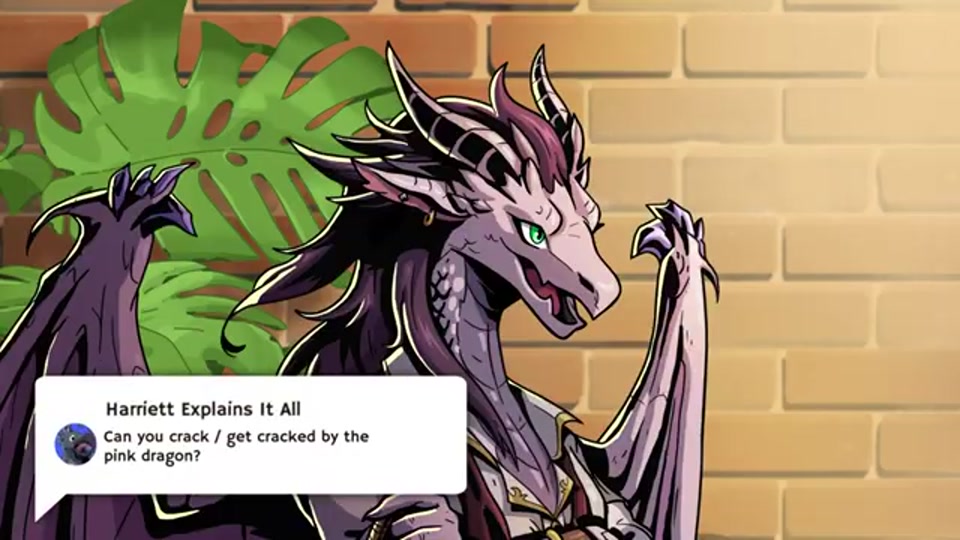
“Deadlier, dastardlier, and more dangerous…erer than before.”
The Vacari are the ancient, immortal enemy whose return drives Ledgerbound’s plot — and the reason an insurance adjuster gets drafted into Hero work. They are the catastrophe no policy covers.
What makes them dangerous
The Vacari’s signature is that defeat doesn’t stop them: they come back “deadlier, dastardlier, and more dangerous…erer than before” — the game’s comic phrasing for a genuinely escalating threat. Beating them once isn’t winning; it’s just buying time before a tougher rematch.
What the public pitch confirms
The Steam store description calls the Vacari an ancient immortal foe that threatens the fabric of the universe. It says that each time one is cut down, it returns more dangerous than before, and that every battle demands clever strategic thinking. That is direct support for the central premise: the Vacari are not an ordinary disposable enemy in the public story framing. Their persistence is part of why the player’s job and the wider crisis matter.
It does not give us a complete enemy catalogue. It does not identify a universal weakness, state that every encounter shares the same behavior, or promise a fixed number of rematches. It also does not explain every detail of the faction’s past. A character-card summary should tell a new player what the official material establishes without stealing discoveries from the story or converting a marketing sentence into a mechanics table.
The historical context
OmniMegaSuperCorp’s official Bureaucratic Society history describes the Vacari as minions of Hy’oth and says the Myowans fled them before becoming the first arrivals on Eldarra. It also says memories of the Vacari faded into myth over time. That context connects the current threat to Eldarra’s published history. It does not establish the motives of every Vacari, the accuracy of every in-world record, or the outcome of any later story conflict.
The historical layer is worth knowing because it explains why a returning enemy can feel both immediate and ancient. It is not a reason to search for endgame answers before playing. For source-labelled background, use Hy’oth and the Weft and Myowans and Eldarra’s history. Both pages deliberately stop short of later plot claims.
Why the wording is comic and serious at once
The public line about becoming “deadlier, dastardlier, and more dangerous…erer” is funny. It also signals that the setting does not treat the threat as a throwaway gag. Ledgerbound combines paperwork, workplace satire, and fantasy stakes; the Vacari are part of the scale that makes the office language absurd in the first place. A company can discuss policies and performance while an immortal enemy keeps returning.
Do not reduce the faction to either half of that contrast. They are not only a joke because the phrasing is playful, and they are not automatically a generic grim-dark villain force because the stakes are large. Let the game’s scenes establish the individual tone, characters, and consequences around them.
Tactical claims need current evidence
An official premise is not a replacement for an encounter guide. Before acting in a current battle, read the visible objective, enemy information, and tutorial text. If you lose, change one observable decision at a time and use normal retry tools. Avoid a universal build claim that does not name the game version, mission, and difficulty setting.
The first launch hotfix includes battle-related fixes and known issues, which is one reason old demo advice should not be frozen into a permanent Vacari strategy. A repeatable freeze or reload problem is a technical matter, not proof that an enemy requires a particular party setup. Check our Patch #1 guide for the documented status.
For a broader player-facing method, see the Vacari enemy guide. It distinguishes the public enemy description from tactics that must be verified in the live game.
How to ask for help without spoilers
If a named encounter is difficult, share your current mission, objective, difficulty setting, and exact issue. Say whether you want a hint, a tactical explanation, or a full solution. This lets someone help with the immediate challenge without revealing why the Vacari return, who is connected to them, or what happens later in the story.
Be wary of guides that lead with supposed faction secrets when you only searched for a definition. A spoiler-conscious profile should give the confirmed public core: the Vacari are ancient, immortal, and central to the threat; their fuller history and individual encounters are things to discover or document with clear evidence.
Maintaining this profile
Future changes will be tied to primary sources or to clearly labelled current-game observations. We will not add alleged elements, boss names, hidden motives, or ending details based on unverified lists. If a patch changes a practical encounter detail, that belongs in a version-dated strategy page rather than in a timeless character profile.
The confirmed foundation is enough to orient a player: the Vacari are the immortal enemy identified in Ledgerbound’s public pitch, connected in the official history to Hy’oth and to Eldarra’s earliest arrivals, and presented as a threat that keeps returning. Everything beyond that deserves the same care with sources and spoilers.
A practical reading checklist
When a Vacari reference appears, use a simple checklist. Is the statement from the official public premise, the published historical account, a visible current-game encounter, or a player theory? What date and game version support it? Does answering the question require a story spoiler? These questions prevent a common problem with enemy pages: blending a sentence from marketing, a clipped video, and a late-game theory until they appear to be one confirmed fact.
For a first-time player, the checklist has a second benefit. It makes the setting easier to enjoy. You can recognize the Vacari as an ancient returning threat and understand why Eldarra’s history matters, while still allowing the game to surprise you with the way individual battles and characters frame that threat. For a returning player, it provides a standard for evaluating any new strategy or lore claim after a patch. Evidence, date, context, and spoiler level are more useful than confidence.