Overview
Ledgerbound Inspirations and Similar Games: A Better Way to Compare Them
How Ledgerbound's developers described their inspirations—including Fire Emblem: Three Houses, Tactical Breach Wizards, The Stanley Parable, Parks and Recreation, and Everything Everywhere All at Once.
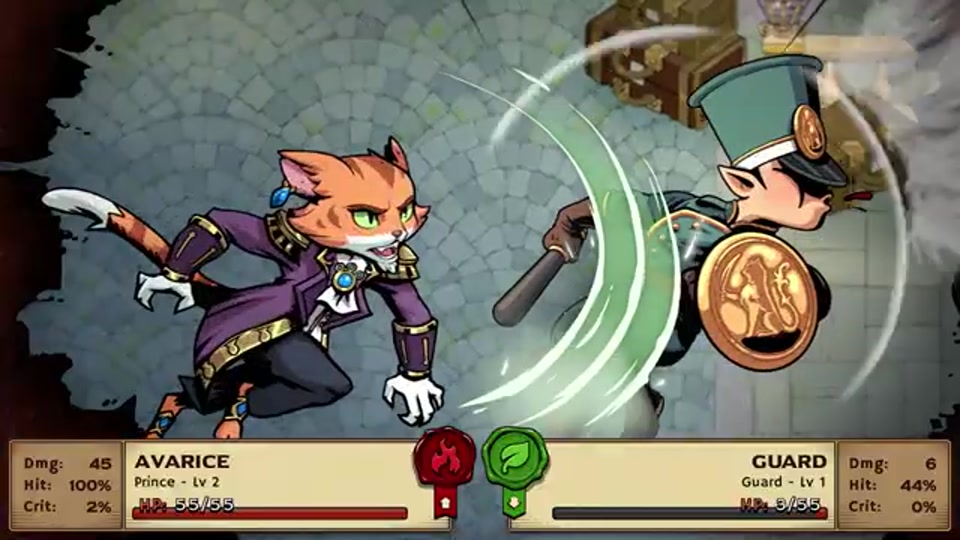
“What is Ledgerbound like?” is a reasonable question, but it has a trap: a list of similar games can become a promise. OmniMegaSuperCorp gave a helpful answer in an official Steam post by naming inspirations that include Fire Emblem: Three Houses, Tactical Breach Wizards, The Stanley Parable, Parks and Recreation, and Everything Everywhere All at Once. Those references tell us something real about the creative vocabulary around the game. They do not establish that every mechanical system, emotional tone, or structural feature transfers from one work to another.
This guide uses the developer’s own list as a map for setting expectations. It is not a purchase recommendation based on copied features, and it does not claim that you will find the same maps, calendar, endings, dialogue structure, or comedy in each reference. Think of it as a way to identify which parts of Ledgerbound might appeal to you: tactical thinking, relationship-focused narrative, institutional comedy, or a willingness to make a fantasy world feel deliberately strange.
The official comparison is a starting point
The developer’s inspiration post connects Ledgerbound to a loop involving tactical combat and social time at camp. It also names a BFF Hat Rack called Merp. This gives us two safe high-level observations. First, the game is interested in more than encounters: social space and character interaction are part of its public identity. Second, its humor is intentionally eccentric. A BFF Hat Rack is not the sort of detail a studio uses to promise solemn military simulation.
Beyond that, be careful. An inspiration list can communicate aspirations, influences, and mood. It cannot replace a released game’s manual. If you need an answer about controller support, accessibility, platform availability, price, or a current known issue, consult the Steam page and the latest announcement. Our Patch #1 guide is an example of why that matters: post-launch information can change the practical buying picture more than a pre-release comparison ever could.
Fire Emblem: Three Houses — social stakes alongside strategy
When players hear Fire Emblem: Three Houses, they often think of a tactical RPG whose relationships and institutional setting matter as much as battlefield positioning. That is a useful lens for understanding why Ledgerbound pairs combat with a workplace-centered narrative and dating-sim elements. It suggests that the developer values the emotional context around tactical decisions, not merely the units on a grid.
It is not a license to claim that Ledgerbound uses a school calendar, a house system, permadeath, support ranks, weapon triangles, or branching paths in the same way. Those are specific mechanics and structures belonging to a different game. A fair comparison says: if you enjoyed pausing between major confrontations to learn about people and institutions, you may find the blend appealing. An unfair comparison says: the named inspiration guarantees an identical relationship system.
The comparison is especially useful for readers who value pacing. Tactical games can feel exhausting when battles arrive without room to reflect, while narrative games can feel passive when relationships are not anchored by shared challenges. The official loop’s camp component suggests Ledgerbound is trying to bridge those experiences. Let the released version show you exactly how it does so.
Tactical Breach Wizards — tactics with a sharp comic voice
The reference to Tactical Breach Wizards points toward another broad quality: tactical play can coexist with vivid character writing and an irreverent tone. That is a valuable corrective to the assumption that strategy games must be grim or that comedy must make decisions mechanically shallow. Ledgerbound’s corporate-fantasy premise has room for both the pressure of an encounter and the absurdity of treating fantasy-scale problems as office business.
Again, do not reduce the comparison to a checklist. A tactical game can be inspired by another tactical game without sharing its movement rules, turn order, map scale, line-of-sight model, or puzzle structure. The released game and its current tutorial are the source for those details. The inspiration is better used as a tonal signal: you may encounter systems and dialogue that expect you to enjoy both problem-solving and a deliberately offbeat workplace voice.
If difficulty is your main concern, do not infer it from the comparison. The final demo announcement mentioned difficulty settings, and the first hotfix listed Uninsured Difficulty balance as a known issue. Read our Burn Out and time-management guide for the version-aware context rather than assuming one comparable game predicts the other’s challenge level.
The Stanley Parable — administrative language as comedy
The Stanley Parable is a particularly revealing reference because its reputation is tied to narration, office space, choice, and the friction between a person and a system. That does not prove that Ledgerbound has the same kind of branching structure or meta-fictional endings. The developer did not say that it did. What the reference plausibly signals is an affection for organizational language, procedural absurdity, and the gap between an institution’s official story and a person’s lived experience.
That lens fits the public premise of Ledgerbound: a fantasy world framed through insurance and workplace structures. It helps explain why the game’s jokes can sound like policies, departments, or forms rather than only puns about swords and magic. For a spoiler-light player, it is enough to know that the setting is designed to be oddly bureaucratic. You do not need a theory about every rule or employee before you start.
Parks and Recreation — workplace relationships without a false promise
The Parks and Recreation comparison flags a possible interest in ensemble energy: the way a workplace can generate friendship, friction, recurring bits, and shared responsibility. It is a useful touchstone for someone who likes character comedy and wants more than isolated combat missions. It does not mean Ledgerbound copies a television sitcom’s episode format, political setting, or sentimentality.
Approach the reference as a tone cue, not a contract. A game can borrow the pleasure of watching coworkers navigate a strange institution while telling an entirely different kind of story. If you care most about romance or particular character credits, consult the confirmed voice-cast guide. It is more trustworthy than a “similar games” list for questions about who has been officially announced.
Everything Everywhere All at Once — scale, energy, and genre collision
The developer also named Everything Everywhere All at Once. This is perhaps the easiest reference to misuse, because readers may jump straight to assumptions about specific plot devices, universes, or endings. Do not do that. An influence can be about momentum, tonal range, emotional ambition, visual imagination, or a willingness to put very different ideas in the same story. It is not a spoiler sheet.
For Ledgerbound, the safe reading is that the team is comfortable describing its work through an unusual mix of genres: fantasy, office satire, tactics, and romance. That mix may appeal if you enjoy a story that resists a single tidy label. It should not be used to promise any particular late-game revelation.
How to make a useful buying comparison
Make your own comparison across a few priorities. If tactics come first, look for current gameplay footage, accessibility information, and reviews that identify their version. If character writing comes first, use the official premise and cast material to decide whether the tone appeals to you without reading route spoilers. If you need a technically smooth experience, start with the Steam requirements and newest patch notes. If you simply want an unusual workplace comedy in a fantasy setting, the developer’s inspiration list is a strong reason to investigate further.
The key is to treat each source as answering the question it is qualified to answer. An inspirations post answers “what creative works did the team cite?” A store page answers “what is currently offered?” A patch note answers “what changed or remains known in this version?” A review answers “how did one critic experience it?” None of those should silently impersonate the others.
Bottom line
The official comparisons make Ledgerbound easier to place without making it less distinct. If you like tactical RPGs with social texture, workplace ensemble comedy, and stories willing to make institutions strange, the cited influences are a useful signal. If you need exact combat rules or route guidance, wait for current documentation and clearly versioned guides. Start with the Eldarra setting guide for the corporate-fantasy context, then use current official sources to decide whether the released game matches what you want to play.
Frequently Asked Questions
What games inspired Ledgerbound?
In an official Steam post, OmniMegaSuperCorp named Fire Emblem: Three Houses, Tactical Breach Wizards, and The Stanley Parable among its inspirations, alongside Parks and Recreation and Everything Everywhere All at Once.
Is Ledgerbound a Fire Emblem clone?
No. An inspiration is a point of reference, not a promise that the games share every system, route structure, or combat rule.
What should I expect if I like tactical RPGs?
Expect a narrative-driven tactical RPG with relationship elements, but check current store information and reviews for the precise released-version details that matter to you.