News
Ledgerbound's Inclusive Romance: Merging Corporate Resource Management With Meaningful Dating
Discover how Ledgerbound blends tactical grid combat, inclusive romance options, and strict corporate resource management into a unique bureaucratic fantasy RPG.
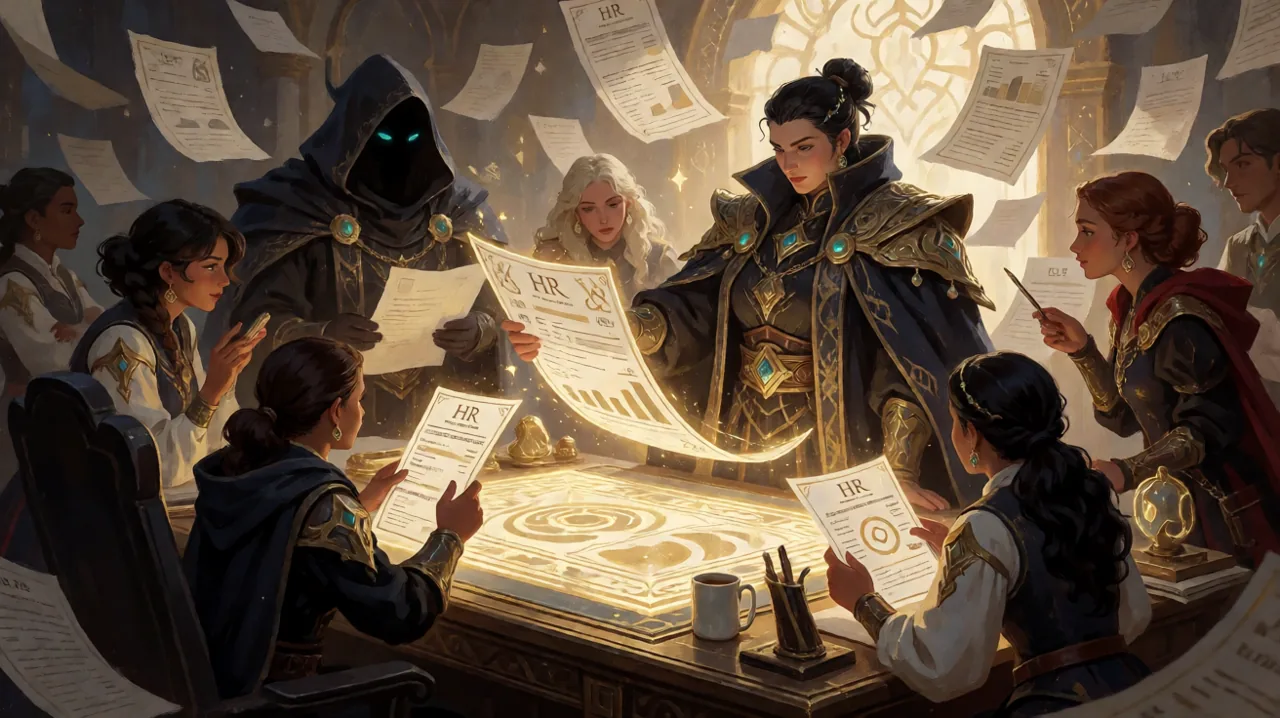
The RPG landscape is crowded with titles that attempt to blend turn-based strategy with social simulation, but few have managed to intertwine these systems as seamlessly as Ledgerbound. A recent feature from Gayming Magazine perfectly summarized the game’s core identity, describing it as a “tactical combat, dating, and resource management RPG.” This specific phrasing gets to the heart of what developer OmniMegaSuperCorp has achieved. While most games treat romance as a narrative side quest separated from the core gameplay loop, Ledgerbound forces you to view your relationships through the cold, calculating lens of corporate resource management. It is a game where falling in love requires just as much strategic planning as flanking a Vacari enemy on a grid.
For players diving into the world of Eldarra, the realization hits quickly: time is money, and affection costs both. As an insurance adjuster for the Heroes United Life Group (HULG), protagonist Rayna is constantly balancing the demands of her corporate overlords with the needs of her eclectic party members. The tension between completing Optional HR Objectives—which yield high monetary rewards but drain your stamina—and spending quiet moments at the camp with your favorite caster is palpable. Every choice has a cascading effect. The praise from diverse outlets highlights how the game handles its inclusive cast of companions, not just by offering a variety of romantic paths, but by subjecting all of them to the same hilarious, dystopian bureaucracy.
Inclusive Dating Under the Watchful Eye of HR
When it comes to the dating aspect, Ledgerbound boasts a vibrant and diverse roster of companions. Whether you find yourself drawn to the arrogant but secretly vulnerable Prince Avarice, the mysterious Vacari hostage Cazian, or the fiercely loyal Jazz, the game provides well-crafted narrative arcs that cater to a wide audience. The inclusive nature of these romance options has been a major draw, providing meaningful representation within a genre that sometimes relies on rigid, traditional tropes.
However, in the bureaucratic society of Eldarra, you cannot simply express your affection and move on. Love is considered an insurance liability, and HULG demands that all liabilities be properly documented. The game’s romance system is heavily gated by paperwork. Progressing a relationship requires filling out specific HR forms, and eventually, locking in a romance requires navigating the game’s notorious Monogamy Locks. This isn’t just a narrative gimmick; it is a core gameplay mechanic that demands careful consideration. Choosing a partner means committing corporate resources to that relationship, effectively turning the dating sim elements into a strategic puzzle. You are constantly reminded that your personal life is technically company property.
Resource Management: The True Cost of Romance
The “resource management” label applied by Gayming Magazine is what truly elevates Ledgerbound from a standard tactical RPG. In the downtime between combat missions, players are presented with a finite amount of time and a constantly ticking Burn-out meter. Spending time with a companion like Jazz might lower your Burn-out and increase your relationship stat, but it costs valuable hours. The game forces you to look at a calendar and literally schedule your affection. Missing a deadline for a critical mission because you were trying to resolve a personal issue between party members will result in severe penalties, potentially affecting your overall standing with the Ministry of Paperwork.
Furthermore, advancing these relationships often requires spending Corporate Vouchers. These are the exact same vouchers you need to upgrade your equipment or purchase necessary Corporate Gear. Do you spend your hard-earned company scrip on a better magical catalyst for the upcoming battle, or do you spend it taking Prince Avarice on a high-end corporate-sponsored date to unlock his next dialogue tier? You are constantly forced to weigh the emotional needs of your party against the tactical requirements of your mission. If you manage your resources poorly, you might find yourself heading into a brutal encounter with under-leveled gear, all because you prioritized romance over your expense reports.
Bringing the Spark to the Tactical Grid
The genius of this intertwined system is that the resources you pour into dating eventually pay dividends on the battlefield. The tactical combat in Ledgerbound is unforgiving, utilizing a strict turn-based system where positioning and the elemental affinities of Fire, Water, and Plant are paramount. When you successfully navigate the HR paperwork and form a strong bond with a companion, their effectiveness in combat reportedly shifts to reflect that closeness.
While the foundational combat system relies heavily on the Sigil board mechanics, the relationships you nurture alter how units interact on the grid. Companions with high relationship scores provide passive buffs when placed in adjacent squares, and certain elemental combos become far more devastating when executed by a romantically linked pair. For example, if Rayna specializes in Fire magic, a heavily romanced partner utilizing Plant magic can trigger explosive synergistic attacks. The time and Vouchers you sacrificed in the resource management phase directly translate to survivability against the Vacari forces.
For those brave enough to tackle the game on the punishing Uninsured difficulty setting, maximizing these relationship-driven combat synergies isn’t just a fun bonus; it is absolutely mandatory. A well-placed team that has maximized their interpersonal bonds can weather a Vacari onslaught that would otherwise wipe a party of strangers. The game essentially argues that love and trust are the ultimate tactical advantages, provided they are properly documented and approved by upper management.
The Psychological Weight of the Vacari Conflict
Beyond the numbers and the grid, the integration of these three pillars creates a surprisingly emotional narrative experience. The corporate satire is sharp and often hilarious, but it serves to heighten the desperation of the characters. The war against the Vacari is brutal, and the HULG corporation treats its employees as expendable assets. In this grim environment, the inclusive romance options become a vital source of humanity for the cast.
When you spend your scarce resources to connect with Cazian, you are actively choosing empathy over efficiency. For players exploring Cazian’s character arc, the decision to invest time in a Vacari hostage—an enemy of the state in the eyes of Eldarra’s bureaucracy—adds layers of narrative tension to your resource management. Every date, every gifted item, and every filled-out HR form is an act of quiet rebellion against a system that only values profit and conformity. The dating mechanics provide a much-needed emotional anchor, making the tactical victories feel earned on a deeply personal level.
A Bureaucratic Masterpiece
It is easy to see why Ledgerbound is catching the attention of diverse outlets across the gaming spectrum. By refusing to silo its mechanics, OmniMegaSuperCorp has created an experience where tactical combat, dating, and resource management are not three separate minigames, but one cohesive simulation of life in a magical corporate dystopia. The inclusive approach to romance ensures that all players can find a connection within the ranks of HULG, provided they have the Vouchers to pay for it and the patience to fill out the requisite forms in triplicate.
The recognition from publications like Gayming Magazine proves that this unique blend is hitting the right notes with audiences who are looking for more than just a standard strategy game. As the community continues to dissect the optimal ways to balance love, combat, and paperwork, one thing remains clear: in Eldarra, HR is always watching, and your romance choices are just another line item on the corporate balance sheet.