News
Is Ledgerbound More Dating Sim Than Strategy RPG? Reviewers and Players Weigh In
Recent reviews call Ledgerbound a romantic comedy first and a tactical RPG second. Here is how the dating sim elements blend with grid combat and HR paperwork.
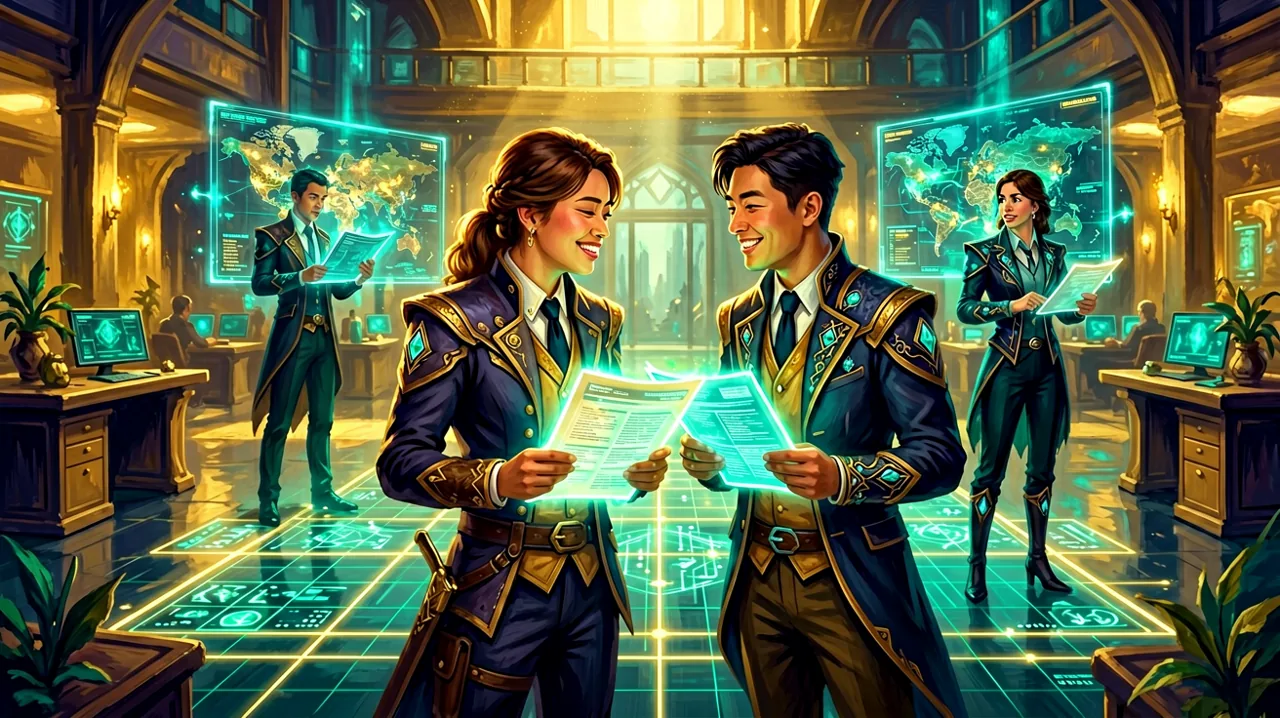
The release of Ledgerbound has brought a wave of unexpected reactions from the broader tactical RPG community. While many anticipated a grueling corporate strategy game focused entirely on weaponized HR paperwork and defeating the Vacari, the reality of the launch build has revealed something entirely different. According to recent media coverage and community discussions across forums, the title might be better described as a dating simulator with a healthy dose of grid-based combat attached to it. The tonal shift from the developer’s previous work on Helldivers 2 to a character-driven narrative has left players pleasantly surprised, though it has also sparked new questions about the depth of the game’s relationship mechanics. As the player base settles into their roles as insurance adjusters for the Heroes United Life Group (HULG), the conversation has shifted away from optimal damage builds and moved squarely toward romance options.
The “Romantic Comedy” Verdict
A recent review published by Siliconera perfectly encapsulates the current sentiment surrounding the game, branding it a “romantic comedy with a little strategy, as a treat.” This framing fundamentally recontextualizes how we should evaluate the overall gameplay loop. Rather than the tactical encounters being the primary draw, the review suggests that the heart of the experience lies in the interpersonal relationships between your party members.
The humor, the witty dialogue, and the social interactions are reportedly doing the heavy lifting in keeping players engaged over long sessions. The strategic layer, while present and highly functional, acts more as a pacing mechanism to break up the narrative beats. This aligns with what we have seen in early gameplay discussions, where navigating the bureaucratic maze of Eldarra often takes a back seat to managing your companions’ emotional availability. It seems OmniMegaSuperCorp intentionally designed the combat to be approachable, ensuring that players who are primarily invested in the dating elements aren’t gated by insurmountable difficulty spikes—especially for those who choose to utilize the newly added Time Toggle or opt out of the Uninsured difficulty mode. For a deeper look at the world they built, you can read about the story and setting.
Tactics Under the Influence of Romance
Even if the strategy is considered secondary by some critics, it still forms a core part of your daily routine at HULG. You are still deploying onto a turn-based grid, utilizing the Fire, Water, and Plant elemental triangle to exploit enemy weaknesses. You still need to manage your Sigil board to maximize your offensive output against the Vacari threat. However, the community is beginning to realize that these tactical systems are deeply intertwined with the romance mechanics.
Who you choose to bring into battle, and how often you fight alongside them, directly impacts your relationship progression. The optional HR objectives you complete during missions often yield corporate vouchers that can be used to purchase gifts or trigger specific camp conversations. Therefore, optimizing your tactical approach isn’t just about clearing the map efficiently; it is about creating opportunities to further your romantic pursuits. Players are finding that selecting gear and managing the Burn-out meter is as much about impressing their favored companion as it is about surviving the encounter.
While there is no official confirmation yet, community members suspect that consistently healing or buffing a romantic interest with Plant or Water magic during a tough encounter might yield hidden relationship affinity. Matching elements on the Sigil board feels satisfying, but players report constantly weighing their combat actions against potential social outcomes. You can read more about balancing these aspects in our guide to quest life balance, relationships, and tactics.
Community Focus: Monogamy vs. Polyamory
As the focus on romance intensifies, players are running into highly practical questions about the game’s relationship structures. A prominent thread on the TurnBasedLovers subreddit recently highlighted a major point of confusion among the player base: which companions are strictly monogamous, and which are open to polyamorous relationships?
The original poster noted a lack of clear documentation on this topic, a consequence of the game being relatively new and the mechanics being somewhat obfuscated by the sheer volume of dialogue options. This question is crucial for players who want to explore multiple romantic arcs without accidentally triggering negative consequences, breaking up the party dynamic, or locking themselves out of specific endgame storylines. The fact that the community is actively trying to map out these relationship boundaries speaks volumes about the complexity of the dating simulator aspect. It is not just a matter of picking a favorite character and pressing a designated “flirt” button; it involves navigating character preferences, jealousies, and long-term compatibility.
Character Dynamics: Who Wants Exclusivity?
While official confirmation regarding relationship boundaries from the developers is scarce, the community is rapidly compiling reports on how each character handles exclusivity. These findings are largely community-reported and still subject to change as more players complete multiple playthroughs and test different dialogue branches.
- Prince Avarice: Early reports suggest that the Prince is highly possessive, which aligns with his royal background. Players attempting to court him alongside other characters have reportedly encountered significant friction in camp conversations, suggesting a strong preference for strict monogamy on his part. Attempting to share your attention seems to result in sharp disapproval ratings.
- Cazian: The community consensus so far is that Cazian is slightly more flexible early on, though still largely leaning toward monogamous interactions once the relationship solidifies. Navigating his romance path requires careful attention to his specific dialogue cues, and straying too far into other characters’ romantic storylines during Act 2 might reportedly lock out his unique late-game narrative events.
- Jazz and Rayna: There are scattered, not-yet-confirmed reports that certain pairings among the broader cast might be more forgiving of open relationships, particularly characters who are less bound by traditional Eldarran social norms. Some players claim to have maintained high affinity with both Jazz and Rayna simultaneously without triggering conflict scenes.
However, players are advised to proceed with caution until a definitive route guide is established by the community. If you are struggling with specific character interactions or want to avoid accidental breakups, you might want to check our existing companions and romance guide for baseline tips on managing affinity.
From Helldivers 2 to Corporate Romance
The transition from the frantic, cooperative bug-shooting of Helldivers 2 to the calculated, romantic bureaucracy of Ledgerbound continues to fascinate the gaming community. On general gaming subreddits like r/getplayed, users are actively sharing memes and comparing the two vastly different titles. The idea that the same studio that brought us high-stakes orbital drops has now delivered a product they playfully call “a game of the people”—centered entirely around HR paperwork, corporate satire, and office romances—is a testament to the studio’s versatility.
It also highlights a growing trend in the industry: players are increasingly receptive to genre-blending games that prioritize character development and narrative over pure mechanical complexity. The developers took a massive risk by pivoting so sharply away from their established action roots, but if the current reception is any indication, combining a corporate fantasy setting with dating sim mechanics was a winning formula. For those curious about the underlying mechanics powering these encounters, our combat system explained resource breaks down the numbers behind the magic.
What This Means for Prospective Buyers
If you are on the fence about picking up the game during this post-launch window, the current discourse provides a very clear picture of what to expect. If you are looking for a punishing, purely mechanical tactical RPG that will push your strategic thinking to the absolute limit without any narrative distractions, you might find the game’s heavy focus on relationships and dialogue slightly overwhelming.
However, if you are drawn to games that prioritize character interaction, witty writing, and the messy dynamics of workplace romances, this title appears to be a standout release for the year. The tactical grid combat is robust enough to provide a satisfying framework, but it is the “romantic comedy” elements that will likely keep you returning to your HULG desk day after day. As the community continues to uncover the nuances of the romance system, we will be sure to update our coverage with confirmed details on relationship paths and exclusivity mechanics. Until then, remember to manage your Burn-out meter, file your HR reports on time, and choose your words carefully during those late-night camp conversations. If you are ready to start your corporate journey, consult our launch week buying checklist to ensure you are getting the right version for your setup.